


Introduction to Forbes Connections Hints
Forbes Connections hints have become a daily resource for many puzzle lovers who enjoy solving the popular Connections word challenge. Each day, players come across a new set of words that must be grouped logically. Sometimes the category seems obvious, but other times the puzzle pushes your brain to think in new ways. That is why many people search for Forbes Connections hints every morning. These hints help players understand possible patterns, guide them toward the right grouping, and make sure they don’t waste their chances too early in the game. Even though the goal is to solve the puzzle on your own, using hints can help you learn, improve your skills, and even protect your daily winning streak.
What the Puzzle Is All About
The Connections puzzle presents sixteen different words. Your mission is to organize these words into four groups that share something in common. This might be a category, a theme, a shared idea, or even a word form. Every puzzle has one correct answer, so you cannot create your own categories, and sometimes words seem like they could fit in more than one place. That is what makes the game both fun and tricky. The game also limits wrong guesses, so you have to be careful before selecting a group. The more you understand patterns, word structures, and associations, the better your chances of solving the puzzle.
Why Forbes Connections Hints Are Useful
People often open Forbes Connections hints because they want guidance without spoiling the answer. The hints are usually created to nudge you in the right direction. They might mention what type of category to look for, what kind of thinking the puzzle requires, or which group might be easier to start with. Instead of giving away the final answer, the hints encourage your brain to see connections on its own. Many players feel that reading hints is like learning a new puzzle language. The more you learn, the faster you solve each day.
Understanding the Goal of the Game
The real goal of the puzzle is to connect related words. Some categories are simple, such as things you eat, common objects, or names of places. Other groups might be more abstract, such as words with double meanings or words that belong to a phrase. Sometimes the puzzle introduces trick words. These words appear related to more than one category. This is where hints help the most. A hint might tell you which words are misleading or which connections are easier to find first.
Types of Clues You May See
Connections hints are not always the same. Some days the hints might point toward simple theme categories like hobbies or science topics. Other days the hints might mention more clever ideas like word endings, shared expressions, or even grammar-related connections. The best part is that you never really know what the new puzzle might offer. This variety keeps players interested and makes hints valuable for learning new word relationships.
Smart Strategies for Solving the Puzzle
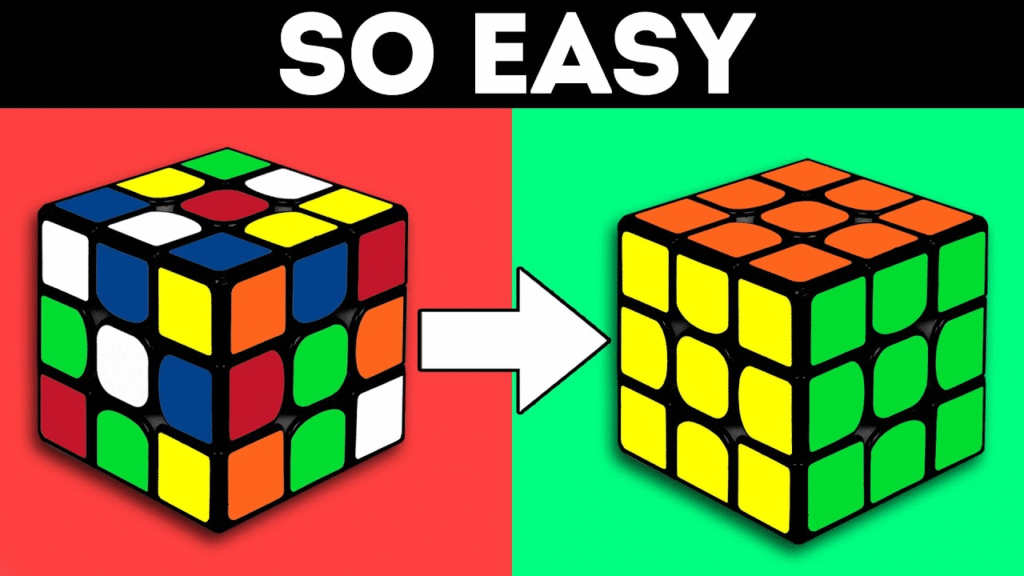
A smart way to solve the puzzle is to begin with the easiest group. Many players scan the list to see if anything looks familiar or simple. Look for obvious themes first, like names of everyday things. After that, remove those words from your thinking so you can focus on the remaining words. The harder groups usually require more creative thinking. Always remember that forcing a connection too early can cause unnecessary mistakes. If something doesn’t feel right, pause and explore other ideas. This step-by-step approach often saves you from losing your limited chances.
How to Make Better Use of Hints
Hints help you when you feel stuck, not when you feel confident. Try solving the puzzle yourself for at least a little while. If you cannot find any group or feel unsure, then take a look at the hint. Many puzzle fans use hints as guidance rather than as answers. You should aim to learn from the hints instead of depending on them. After you solve the puzzle, take a moment to understand why certain words belonged together. That reflection builds real problem-solving skills.
Common Mistakes Players Make
One common mistake is grouping words too quickly. Some words may appear to fit together but only one combination is correct. Another problem happens when players ignore hidden meanings. Many words in the puzzle have more than one definition, so look beyond the first meaning that comes to mind. Avoid assuming something belongs together just because it looks similar. Sometimes the puzzle hides a deeper connection that you will only notice when you slow down and think more carefully.
Recognizing Patterns Over Time
As you continue playing, you begin to notice certain patterns repeating. For example, words that look similar might follow a shared ending or beginning. Sometimes you see groups built around grammar rules, like past tense words or describing words. Other times the groups form around common expressions or phrases. When you recognize patterns, you solve faster. Many players say that once they learn a few common styles, later puzzles feel less confusing.
Why Hints Improve Your Score
Hints improve your score because they prevent you from rushing into wrong guesses. Sometimes just one clue can keep you from using up all your allowed mistakes. If you are trying to build a solving streak, hints act as a safety net. They also help train your mind to notice hidden themes in everyday language. Each time you use a hint correctly, you learn something new about words, meaning, and structure.
The Role of Difficulty Levels
The puzzle usually separates groups by difficulty, meaning some are easier and some are harder. Most players can identify the easy group quickly, because those words seem more related. The medium groups require more thinking, while the hardest group is usually based on clever or unusual wordplay. The good news is that knowing the difficulty order helps guide your solving approach. The easiest group gives you confidence and clears away four words, making it simpler to look at what remains.
Avoiding Overuse of Hints
While hints are helpful, using them too much can take away the fun. If you solve everything with hints, you might feel like you didn’t earn the solution yourself. The best way to balance your use of hints is to try first, then get help only when you feel truly stuck. Many puzzle fans reward themselves by only checking hints after they have made a few attempts. This keeps the challenge alive.
How Hints Develop Better Thinking Skills
Connections hints help you develop thinking skills such as reasoning, association, and language awareness. You begin noticing how words relate to each other, even outside of the puzzle. This type of thinking can improve vocabulary, reading comprehension, and even communication skills. The puzzle encourages your brain to explore meanings beyond the obvious, helping you think more creatively.
Tips to Improve Your Puzzle Performance
One useful tip is to write down the words on paper or separate them visually. This makes it easier to see possible groups. Another helpful method is to read each word separately and ask yourself what it reminds you of. Sometimes the answer appears when you think beyond direct meaning. Practice every day if possible. The more puzzles you solve, the more confident you become.
Tracking Your Progress
Many players enjoy tracking their progress to see how they improve. Keeping note of how many groups you solved on your own and how many required hints can help you measure your improvement. Over time, you might find that you need fewer hints and solve faster. Learning to recognize word patterns is a gradual process. Celebrate each small improvement.
Why Forbes Hints Became Popular
Forbes hints became popular because they offer balanced assistance. They do not simply give answers. Instead, they give gentle suggestions that allow players to find the answer through guided thinking. This makes them appealing to both beginners and experienced puzzle fans. Another reason for their popularity is the routine nature of the puzzle. People enjoy starting their day with a challenge and using hints when they need a little boost.
Final Thoughts
Forbes Connections hints are more than just help for a puzzle. They are a learning tool that supports better thinking and improves your ability to see relationships between words. When you learn how to use hints wisely, the puzzle becomes more enjoyable and rewarding. Over time, you will find yourself solving puzzles faster, relying less on hints, and enjoying the challenge much more. The key is patience, practice, and a willingness to learn from every puzzle. Each day offers a new chance to grow your skills and discover new connections hidden in plain sight.
Read more: axurbain

My name is Michael Scaife, and I’ve been working for 4 years as a content analyst. I help people find out if online words or trends are fake, confusing, or just made for marketing. I look at strange or new keywords and check if they are real or just made up to get attention. My goal is to make the internet clearer, safer, and more honest for everyone. I enjoy teaching people how to spot fake ideas online and avoid being tricked by bad or misleading content.