

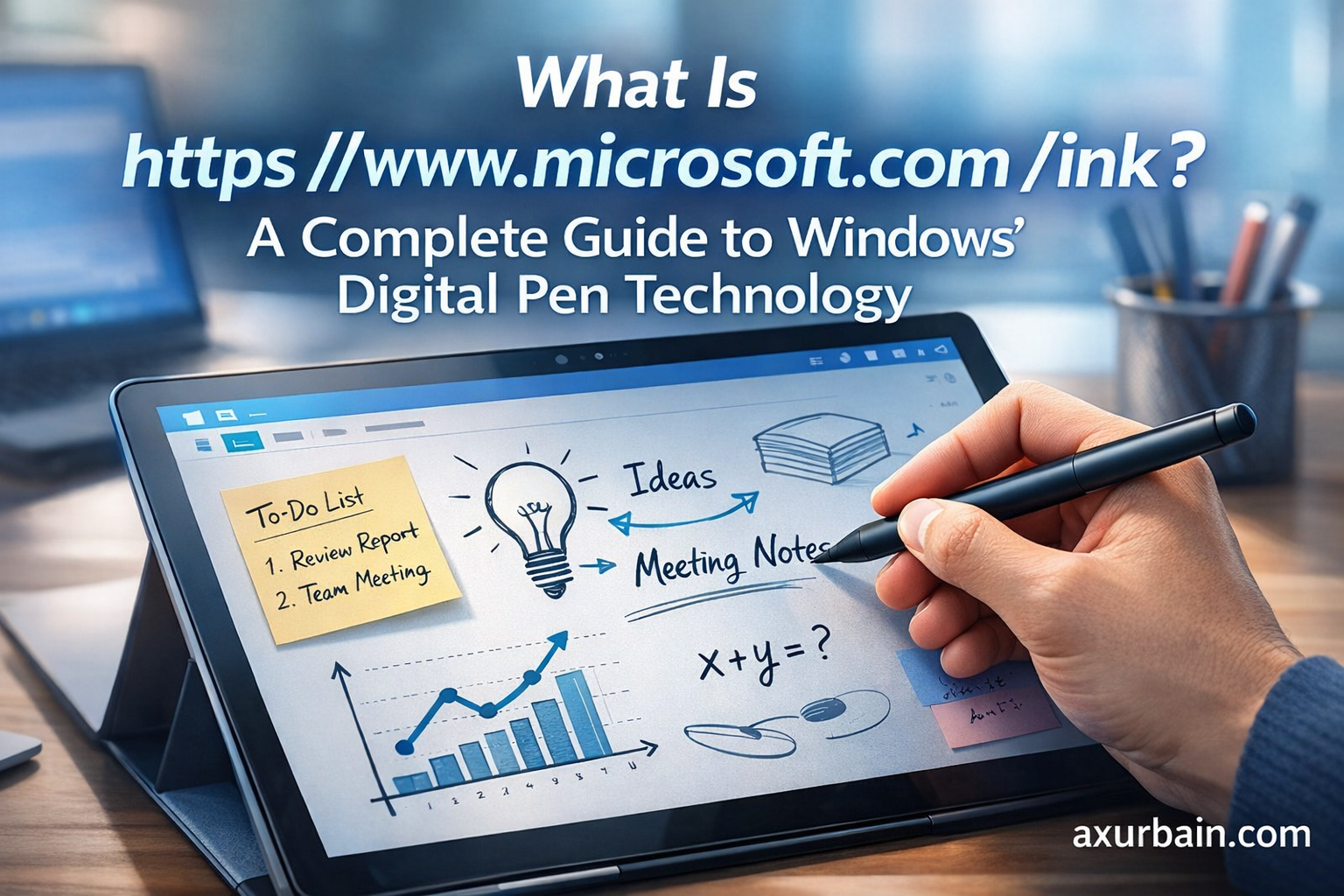
The focus keyword https //www.microsoft.com /ink is often searched by users who want clear information about Microsoft’s digital inking technology and how it works across Windows devices. While this URL does not always lead to a single standalone webpage, it represents the broader concept known as Microsoft Ink. Microsoft Ink is an integrated digital pen and handwriting system built directly into Windows, designed to make writing, drawing, annotating, and visual thinking feel natural on a screen. Instead of relying only on keyboards and mice, Microsoft Ink allows people to interact with their devices in a more human and expressive way.
This article provides a complete, informative, and human-written explanation of Microsoft Ink. It covers what it is, how it works, where it is used, and why it matters for productivity, creativity, education, and everyday computing.
Understanding Microsoft Ink and Its Core Idea
Microsoft Ink is a digital inking framework built into the Windows operating system. It enables users to write or draw directly on the screen using a stylus, touch input, or even a mouse. Unlike simple drawing tools, Microsoft Ink captures detailed information about each stroke, including pressure, speed, and direction. This data allows handwriting and drawings to feel smooth, responsive, and close to real pen-on-paper behavior.
The core idea behind Microsoft Ink is to make digital interaction feel more natural. Many people think faster when they write by hand or sketch ideas visually. Microsoft Ink supports this behavior by allowing freehand input while still keeping everything digital, searchable, and easy to organize.
How Microsoft Ink Works Inside Windows
Microsoft Ink operates at the system level, which means it is deeply integrated into Windows rather than functioning as a separate app. When a pen or touch input is detected, Windows routes that input through the inking platform. The platform instantly renders the strokes on the screen while also processing them for recognition and interaction.
Because of this system-level integration, Microsoft Ink behaves consistently across supported applications. Whether you are writing notes, drawing diagrams, or marking up documents, the experience feels unified. This approach reduces lag, improves accuracy, and ensures that inking feels responsive even during long sessions.
Windows Ink Workspace and Quick Access Tools
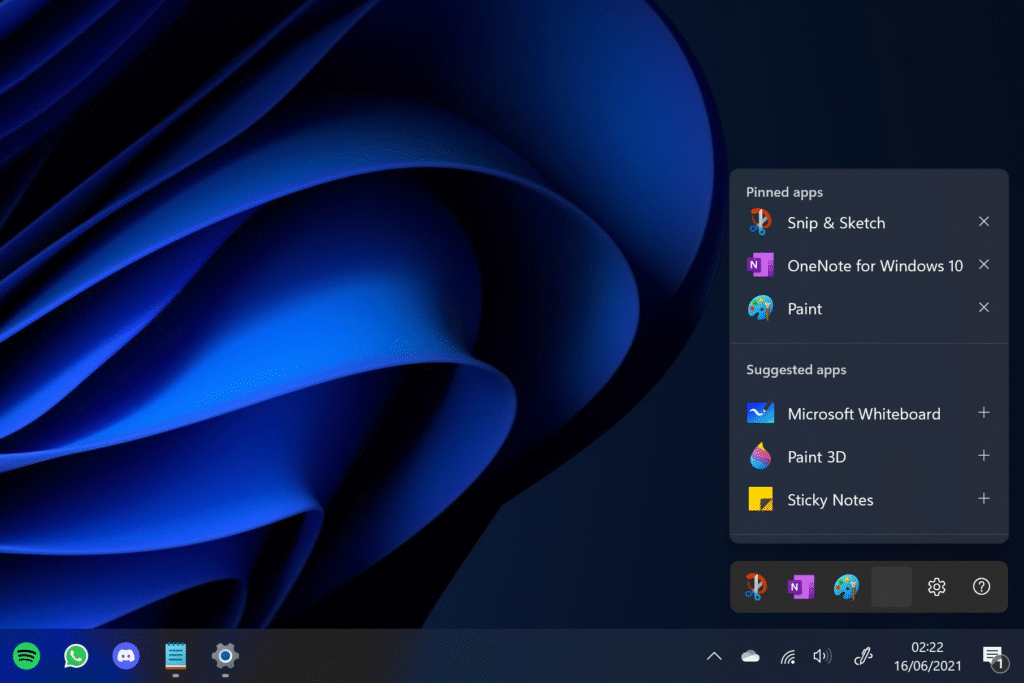
One of the most visible parts of Microsoft Ink is the Windows Ink Workspace. This feature provides quick access to inking tools directly from the taskbar. It is designed for speed and convenience, allowing users to start writing or drawing instantly without navigating through menus or opening full applications.
The workspace typically includes tools such as quick notes, sketching areas, and screen annotation options. These tools are ideal for capturing ideas the moment they appear, making quick drawings, or marking up screenshots during discussions or presentations. The focus is on reducing friction between thought and action.
Using Microsoft Ink in Everyday Productivity
Microsoft Ink is closely integrated with popular productivity applications. Users can write directly on documents, presentations, and spreadsheets, adding notes, highlights, and explanations. This is especially useful during reviews, brainstorming sessions, or when explaining concepts visually.
One of the most powerful aspects of Microsoft Ink is its intelligent conversion features. Handwritten text can be converted into typed text, rough sketches can become clean shapes, and handwritten math equations can be turned into formatted expressions. These features allow users to work freely and then refine their content without redoing everything.
Handwriting Recognition and Smart Features
A key strength of Microsoft Ink is its handwriting recognition capability. The system can understand handwritten input and interpret it as meaningful information. This makes it possible to search handwritten notes, recognize dates or reminders, and organize content automatically.
Over time, the recognition system adapts to different handwriting styles, improving accuracy. This makes Microsoft Ink particularly useful for users who rely heavily on handwritten notes but still want the benefits of digital storage, organization, and search.
Devices That Support Microsoft Ink
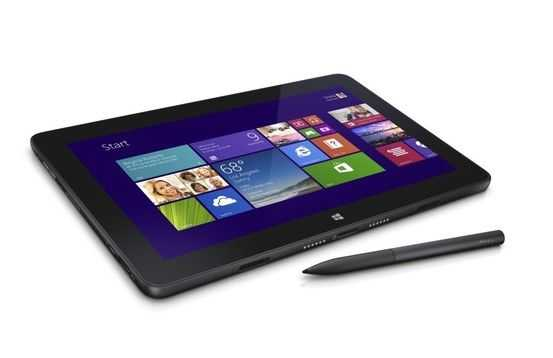
Microsoft Ink works best on devices designed for pen and touch input. These include tablets, 2-in-1 laptops, and touchscreen PCs. Devices with high-quality displays and low-latency input provide the smoothest inking experience.
While premium devices often showcase the full potential of Microsoft Ink, many standard Windows devices also support basic inking features. Even without a stylus, users can access limited inking functionality using a mouse or finger, though a digital pen offers greater precision and comfort.\
Microsoft Ink for Creativity and Visual Thinking
Beyond productivity, Microsoft Ink is widely used for creative work. Artists, designers, and illustrators use it to sketch ideas, create digital art, and explore concepts visually. Pressure sensitivity and tilt support allow for expressive strokes that feel closer to traditional drawing tools.
Creative applications built for Windows often take advantage of Microsoft Ink’s capabilities, offering smoother lines, better control, and improved palm rejection. This makes the platform suitable not only for casual sketching but also for professional creative workflows.
Education, Learning, and Collaboration
Microsoft Ink plays an important role in education and collaborative environments. Teachers can annotate lessons in real time, students can take handwritten notes during lectures, and teams can brainstorm visually during meetings. Handwritten explanations and diagrams often communicate ideas more clearly than text alone.
In collaborative settings, digital inking supports shared understanding. When combined with online tools and whiteboards, multiple users can write and draw together, making Microsoft Ink relevant in modern hybrid work and learning environments.
Accessibility and Alternative Input
Microsoft Ink also improves accessibility by offering alternative ways to interact with a computer. For users who find typing difficult, handwriting can be a more comfortable option. Touch and pen input can feel more intuitive, especially for users who prefer direct interaction.
Windows allows users to customize pen behavior, colors, thickness, and sensitivity. These options help tailor the experience to individual needs and preferences, making inking more comfortable and effective for a wide range of users.
Why Microsoft Ink Matters Today
Modern computing is moving toward more natural forms of interaction. Microsoft Ink represents this shift by supporting handwriting and drawing at the operating system level. It acknowledges that people often think visually and physically, not just through typed text.
The growing interest in searches related to https //www.microsoft.com /ink reflects increasing demand for pen-based computing. As touch-enabled devices become more common, digital inking is no longer a niche feature but a core part of how many people work and create.
requently Asked Questions (FAQs)
❓ What is https //www.microsoft.com /ink?
The keyword https //www.microsoft.com /ink refers to Microsoft Ink, a digital pen and handwriting technology built into Windows. It represents Microsoft’s system for writing, drawing, annotating, and interacting with content using a stylus, touchscreen, or mouse across Windows devices and applications.
❓ Is https //www.microsoft.com /ink an official website?
The URL https //www.microsoft.com /ink does not always function as a standalone webpage. Instead, it is commonly used to describe Microsoft Ink as a feature set within Microsoft Windows rather than a single downloadable product or page.
❓ What can you do with Microsoft Ink?
Microsoft Ink allows users to write handwritten notes, draw sketches, annotate documents, highlight content, and convert handwriting into typed text or shapes. It is widely used for note-taking, presentations, creative design, education, and collaborative work.
❓ Which devices support Microsoft Ink?
Microsoft Ink works on Windows devices that support touch or pen input. This includes many tablets, 2-in-1 laptops, and touchscreen PCs. Devices designed for stylus use offer the best experience, though basic inking can also be done with a mouse or finger.
❓ Does Microsoft Ink work without a stylus?
Yes, Microsoft Ink can be used without a stylus. Users can draw or write using a finger on touchscreens or even with a mouse. However, a digital pen provides greater precision, pressure sensitivity, and a more natural writing experience.
❓ What is Windows Ink Workspace?
Windows Ink Workspace is a built-in Windows panel that gives quick access to inking tools like notes, sketching, and screen annotation. It is designed to help users start writing or drawing instantly without opening full applications.
❓ Can Microsoft Ink convert handwriting into text?
Yes, Microsoft Ink includes handwriting recognition features that can convert handwritten notes into typed text. It can also recognize shapes and mathematical expressions, making it easier to clean up handwritten content.
❓ Is Microsoft Ink useful for students and teachers?
Microsoft Ink is highly useful in education. Students can take handwritten notes, draw diagrams, and organize ideas digitally, while teachers can annotate lessons, explain concepts visually, and interact with content in real time.
❓ Can Microsoft Ink be used for professional work?
Yes, Microsoft Ink is widely used in professional environments. It helps with document reviews, presentations, brainstorming sessions, design work, and collaborative meetings where visual input improves communication.
❓ Is Microsoft Ink free to use?
Microsoft Ink is included with Windows and does not require a separate purchase. As long as your device supports touch or pen input and is running a compatible version of Windows, you can access Microsoft Ink features at no extra cost.
❓ Why is Microsoft Ink important for modern computing?
Microsoft Ink supports more natural ways of interacting with technology. By allowing handwriting and drawing at the operating system level, it helps users think visually, work creatively, and capture ideas faster than typing alone.
Final Thoughts
Microsoft Ink is more than a simple drawing feature. It is a comprehensive digital pen technology built into Windows that supports writing, drawing, annotating, and visual thinking across many use cases. While the URL https //www.microsoft.com /ink may not always point to a single page, it represents an ecosystem designed to make digital interaction more human.
From quick notes and document reviews to creative sketches and collaborative brainstorming, Microsoft Ink enhances how people interact with their devices. As pen-enabled hardware continues to evolve, Microsoft Ink will remain an important part of the Windows experience, helping users work, learn, and create more naturally.
Read More: Axurbain

My name is Michael Scaife, and I’ve been working for 4 years as a content analyst. I help people find out if online words or trends are fake, confusing, or just made for marketing. I look at strange or new keywords and check if they are real or just made up to get attention. My goal is to make the internet clearer, safer, and more honest for everyone. I enjoy teaching people how to spot fake ideas online and avoid being tricked by bad or misleading content.